


Reflecting 150 years of biomedical innovation at Johns Hopkins, this one-day symposium will bring together global experts, nationally recognized scholars, policymakers, and practitioners in technology transfer and academic entrepreneurship to evaluate the latest policy advancements in the field, explore implications, and outline a future research agenda. The event will highlight lessons from Johns Hopkins’ translational successes and lead the conversation at the intersection of innovation, technology commercialization, and policy.
Event co-sponsored by Florida Atlantic University College of Business and Arizona State University's Global Center for Technology Transfer.
Event registration is required to attend.
Agenda
| Time | Session | Details |
|---|---|---|
| 8:30 – 9 a.m. | Registration and continental breakfast | |
| 9 – 9:15 a.m. | Opening address and welcome: From Discovery to Impact: 150 Years of Innovation at Johns Hopkins | Vice Provost for Research Denis Wirtz, Johns Hopkins University |
| 9:15 – 10:30 a.m. | Panel 1: Lessons from Federal Translation Programs | Panelists: Don Siegel, Arizona State University; Erwin Gianchandani, National Science Foundation; Sujai Shivakumar, Center for Strategic and International Studies; Josh Carter, Small Business Administration; Phil Weilerstein, VentureWell |
| 10:30 – 10:45 a.m. | Break | |
| 10:45 a.m. – Noon | Panel 2: Building a High-impact Innovation Ecosystem | Panelists: Myra Norton, Johns Hopkins Technology Ventures; Mary Austin, UrinControl; Selena Shirkin, Fetal Therapy Technologies; Benjamin Larman, Infinity Bio; Sridevi Sarma, Neurologic Solutions |
| 12:05 – 1:20 p.m. | Panel 3: Security Considerations in Technology Transfer with Attention to Dual Use Technologies | Panelists: Phillip Phan, Johns Hopkins University; Winnie Tsang, U.S. Department of the Treasury; Steve Susalka, AUTM; Paul Oostburg Sanz, Johns Hopkins University |
| 1:20 – 2:20 p.m. | Networking buffet lunch | |
| 2:30– 3:45 p.m. | Panel 4: The Future Landscape of Innovation in the U.S. | Panelists: Siri Terjesen, Florida Atlantic University; Jay Bhattacharya, MD, National Institutes of Health; James O’Neill, Nominee for Director, National Science Foundation |
| 3:45 – 4 p.m. | Break | |
| 4 – 5:15 p.m. | Panel 5: From Bench to Business: Lessons from Successful Partnering Between Universities and Corporations | Panelists: Youseph Yazdi, Johns Hopkins University; Wes Gilson, Siemens Healthineers North America; Kip Roberts, Medtronic; David Chang, Samsung; Shankar Subramanian, Abbvie |
| 5:15: – 5:30 p.m. | Final Remarks: The Future of University-based Discovery Translation and Commercialization | Presenters: Phillip Phan, Johns Hopkins University; Don Siegel, Arizona State University; Siri Terjesen, Florida Atlantic University |
| 5:30 – 7 p.m. | Networking reception |
Speaker Bios
| Welcome Keynote |  | Denis Wirtz | Denis Wirtz, Johns Hopkins faculty since 1994, serves as vice provost for Research and the Theophilus Halley Smoot Professor of Engineering Science. With appointments spanning engineering and medicine, he oversees the university’s research enterprise, manages cross-divisional award initiatives, and chairs the Research Oversight Committee to guide strategic infrastructure investments. |
| Panel 1: Lessons from Federal Translation Programs | 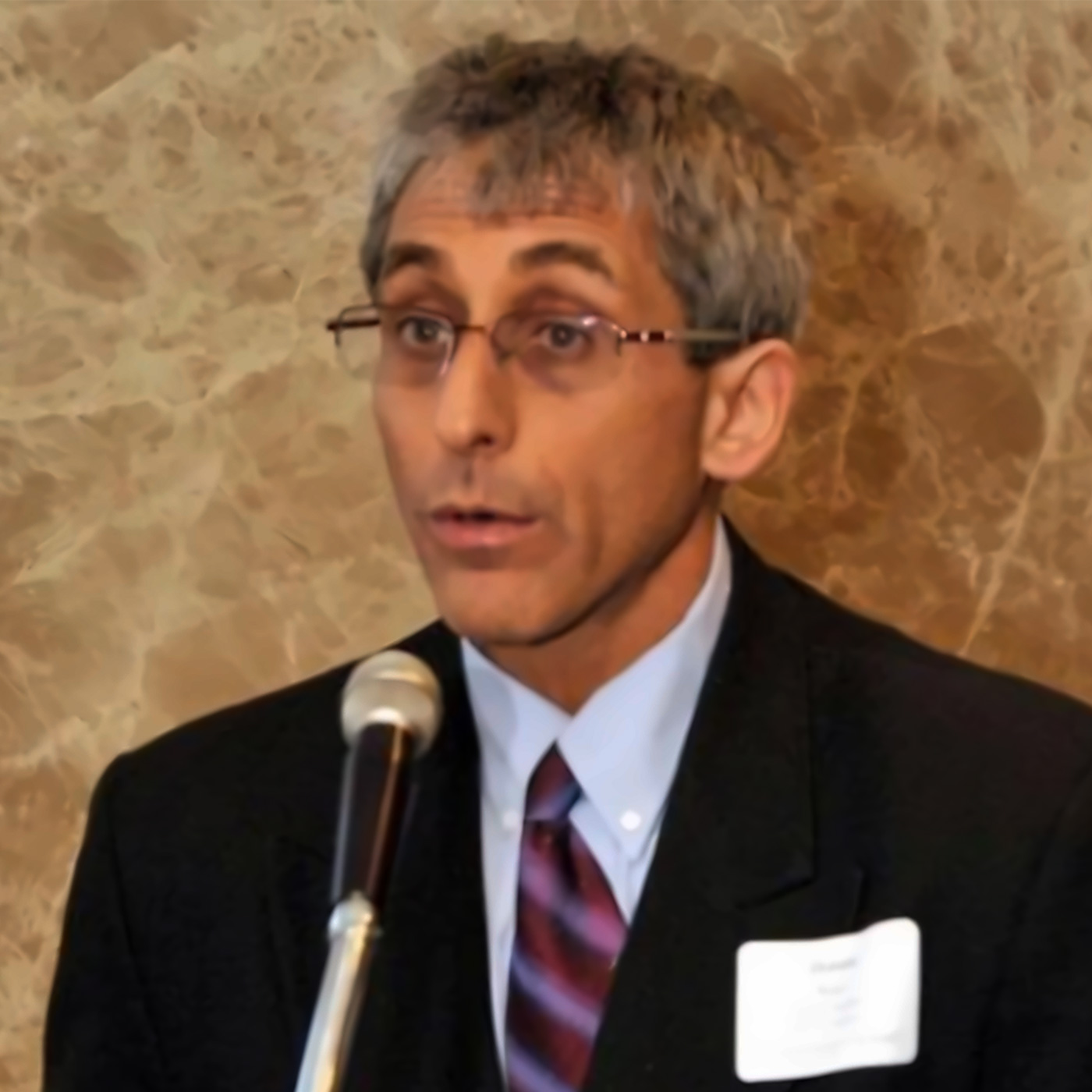 | Donald Siegel MODERATOR | Donald Siegel is an ASU Regents professor and co-executive director of the Global Center for Technology Transfer. A former SUNY Albany Business dean and Columbia-educated economist, he is an AAAS and AOM Fellow, a highly cited author, and winner of the 2026 Global Award for Entrepreneurship Research |
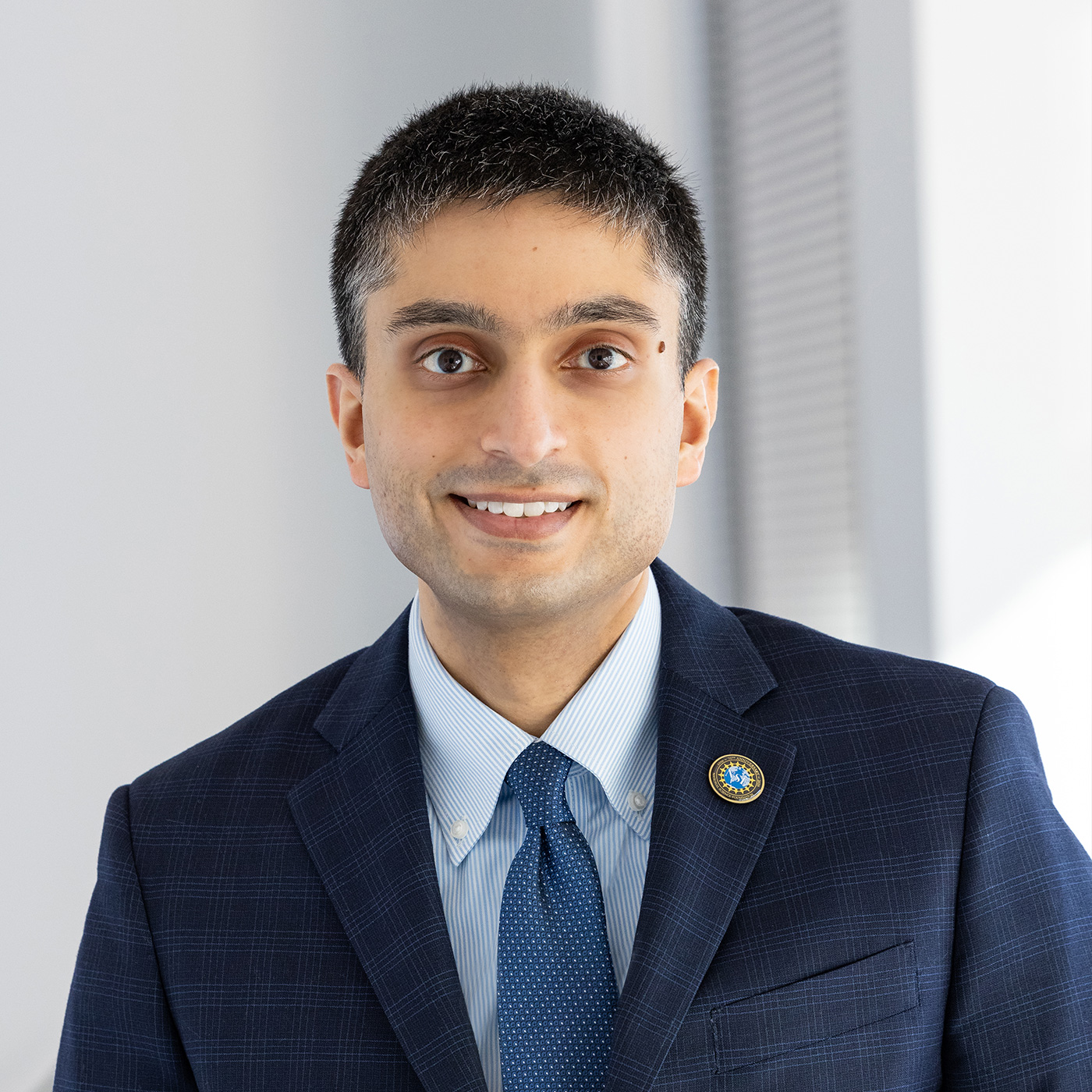 | Erwin Gianchandani | Erwin Gianchandani is the NSF’s assistant director for the Technology, Innovation and Partnerships (TIP) Directorate. Since joining NSF in 2012, he co-led the CISE directorate and launched major initiatives, including National AI Research Institutes. He holds three degrees from UVA and received the 2021 Distinguished Presidential Rank Award. | |
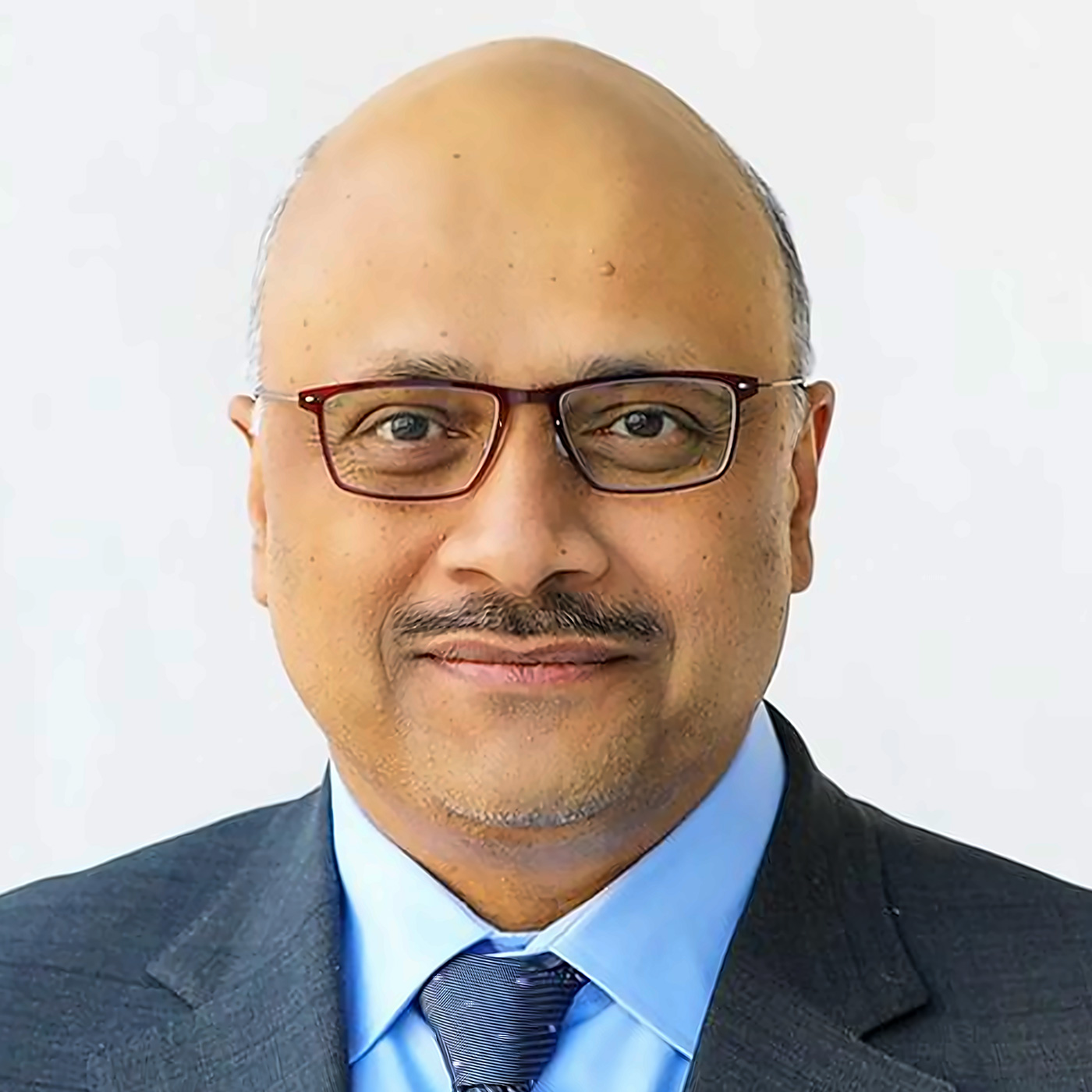 | Sujai Shivakumar | Sujai Shivakumar, Ph.D., directs Renewing American Innovation and is a senior fellow at CSIS. With twenty years of expertise in U.S. competitiveness and industrial strategy, he previously directed the National Academies’ Innovation Policy Forum. An economics Ph.D., he regularly advises Congress and co-authored work with Nobel Laureate Elinor Ostrom. | |
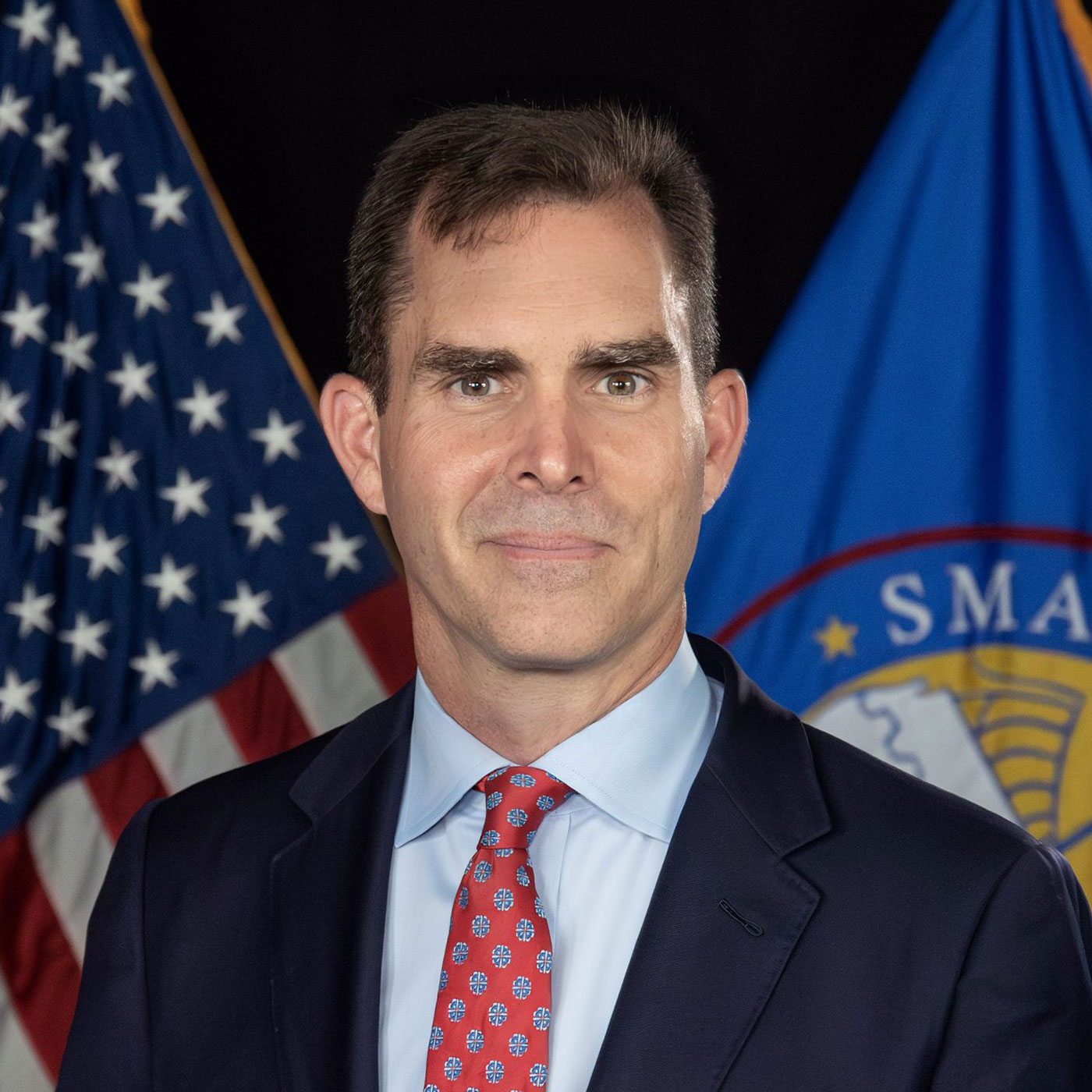 | Joshua R. Carter | Joshua R. Carter, associate administrator at SBA’s Office of Investment and Innovation, oversees SBIC and SBIR/STTR programs. Previously, he co-founded Sepio Capital as co-CIO and held senior roles at Bank of America, Merrill Lynch, and Goldman Sachs. He has a cum laude Harvard degree, Wharton MBA, and CFA/CAIA charters. | |
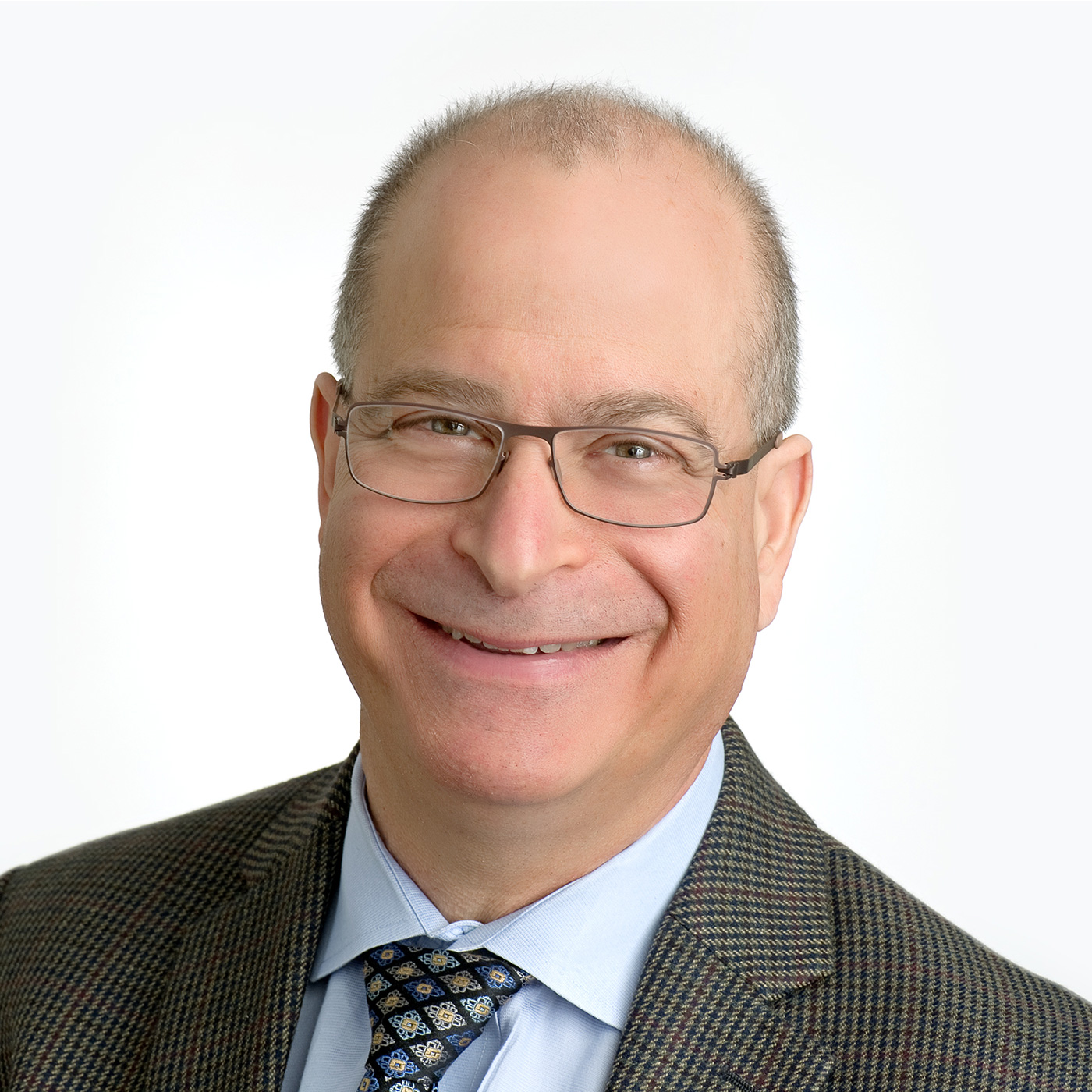 | Phil Weilerstein | Phil Weilerstein has led VentureWell since its founding in 1996, serving as president and CEO. He has developed and oversees a broad range of programs that encourage and support early-stage science and technology innovators by building and strengthening innovation ecosystems and providing pathways, training, and support. | |
| Panel 2: Building a High-Impact Innovation Ecosystem | 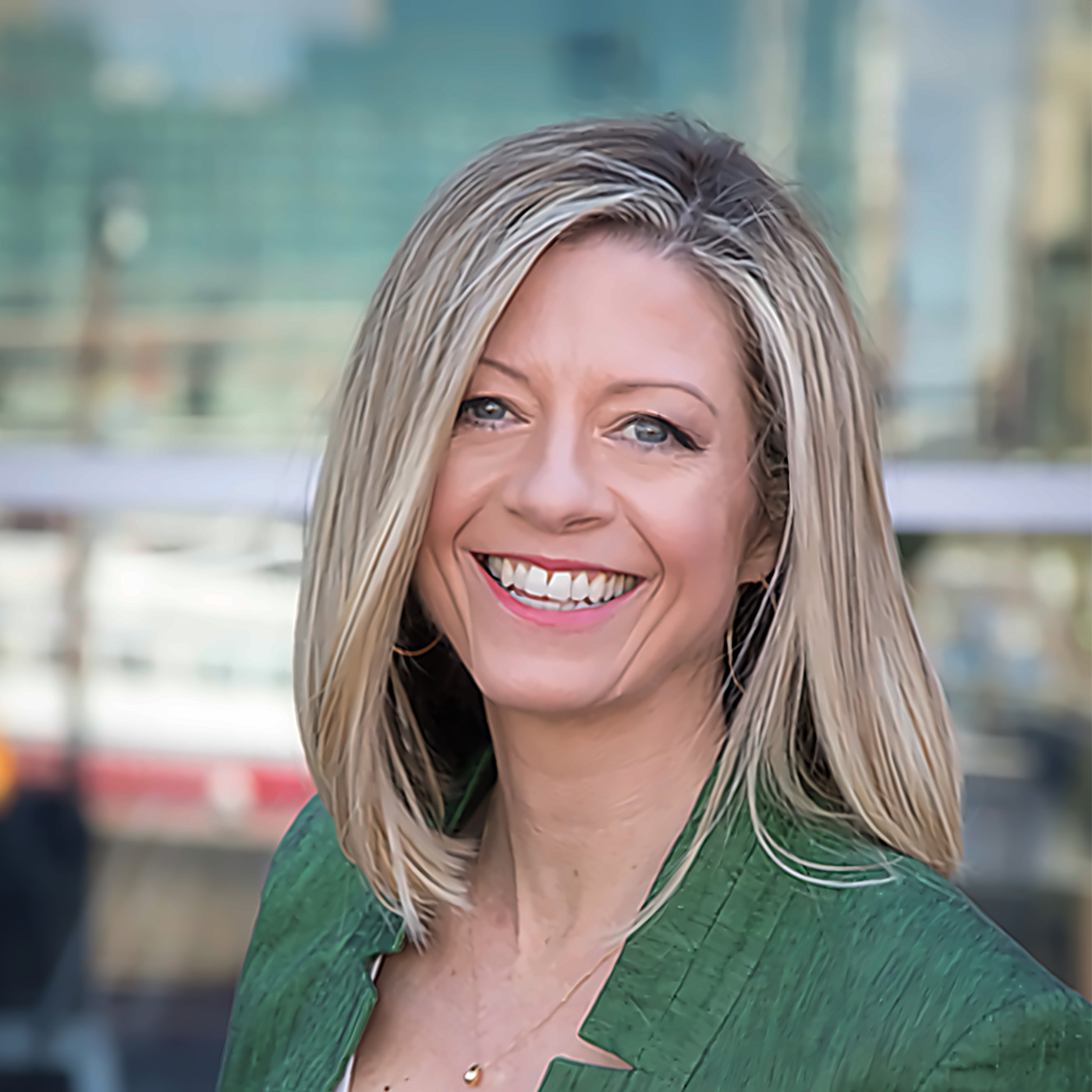 | Myra Norton MODERATOR | Myra Norton leads Johns Hopkins Technology Ventures, the university’s commercialization enterprise – technology transfer, venture creation, capital strategy, and the programs connecting Hopkins innovation to Baltimore and beyond. She previously led Arena Analytics and Community Analytics as CEO, and taught mathematics and statistics at Temple, Towson, and the U.S. Naval Academy. |
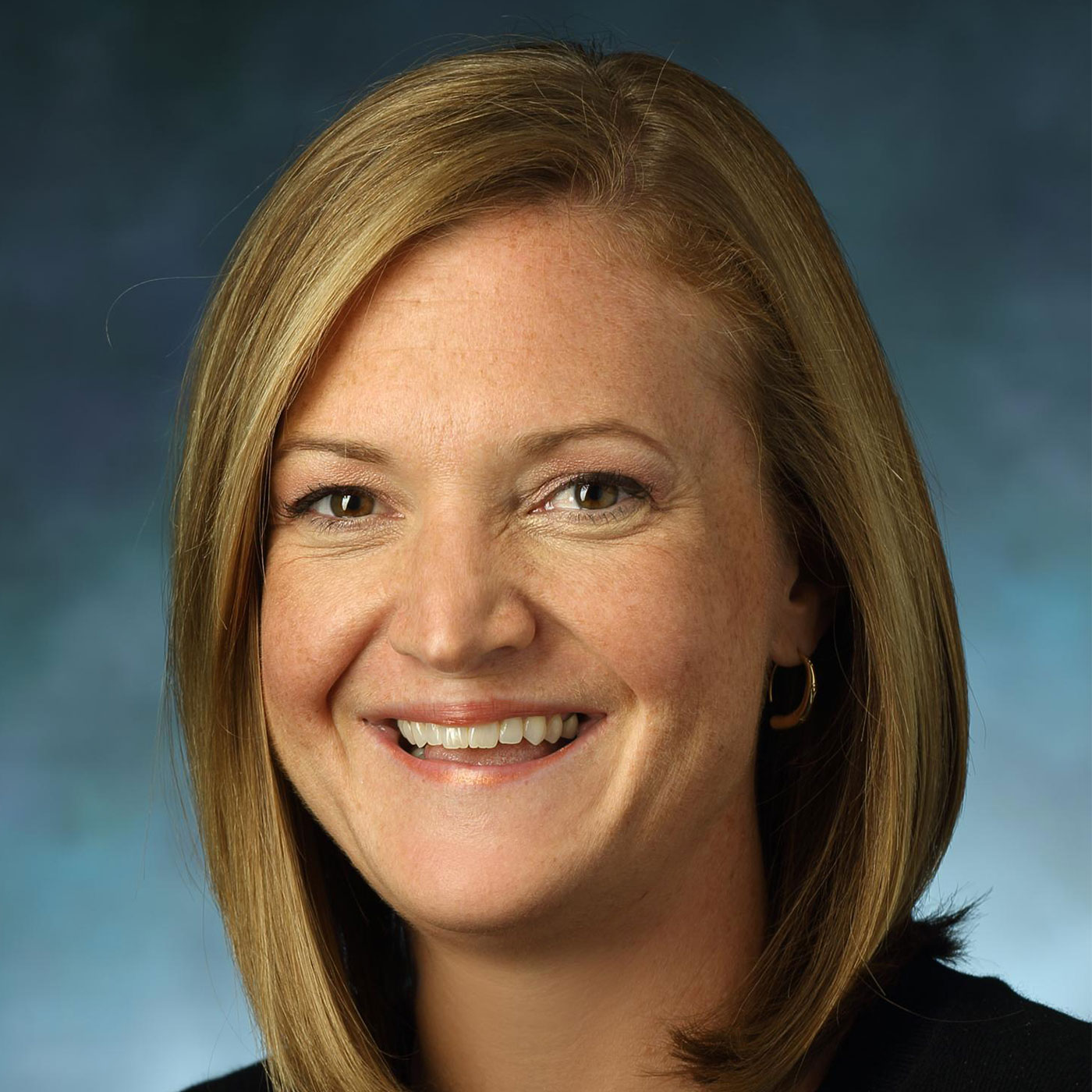 | Mary Austin | Mary Austin is a pelvic health specialist and assistant professor of Physical Medicine and Rehabilitation at Johns Hopkins. She founded UrInControl to develop an over-the-counter, reusable pessary for stress urinary incontinence. | |
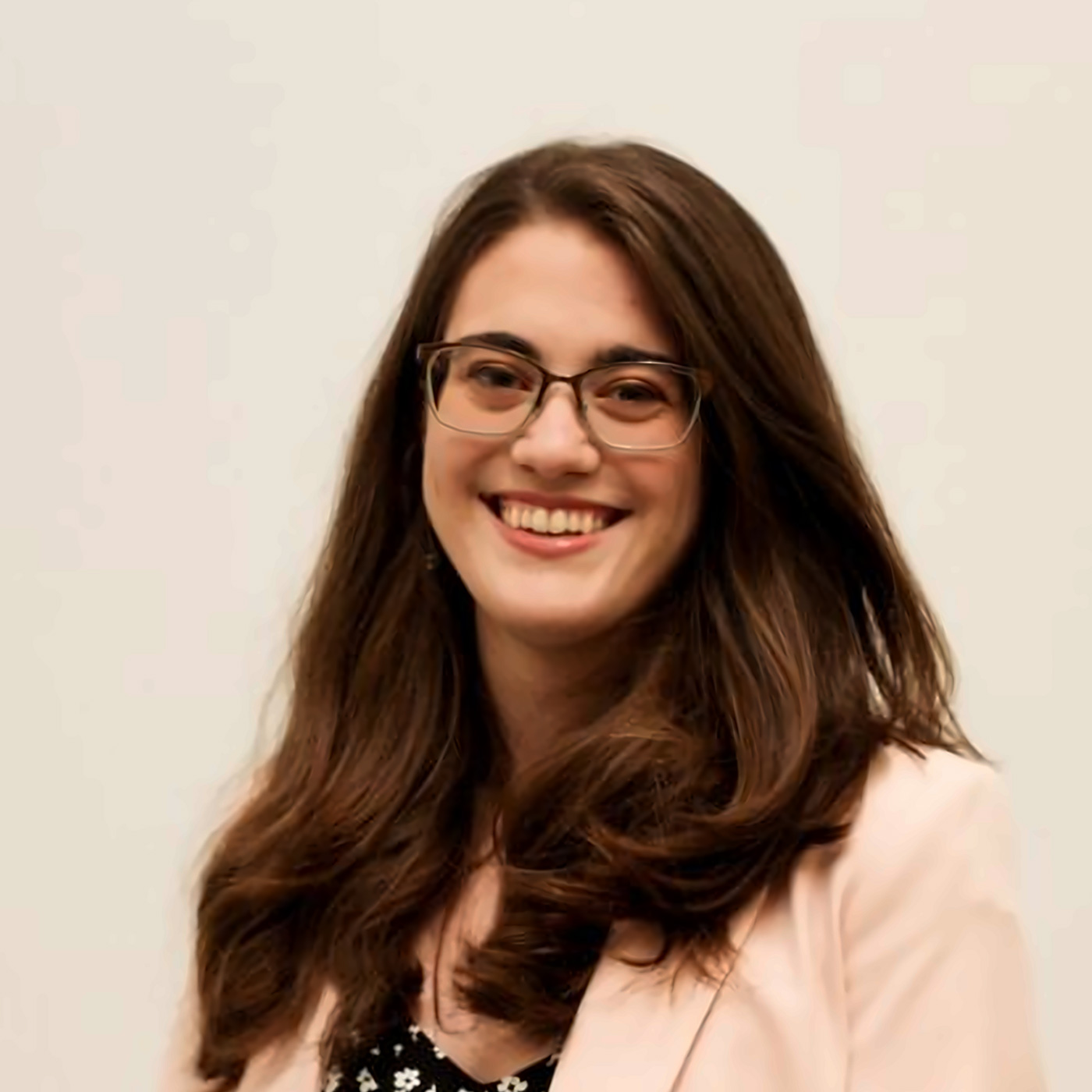 | Selena Shirkin | Selena Shirkin founded Fetal Therapy Technologies out of work at Johns Hopkins' Center for Bioengineering Innovation and Design. Her team built the FetalCare Port System, the first access port designed for the uterine environment in minimally invasive fetal surgery, aiming to cut a 40 percent complication rate. | |
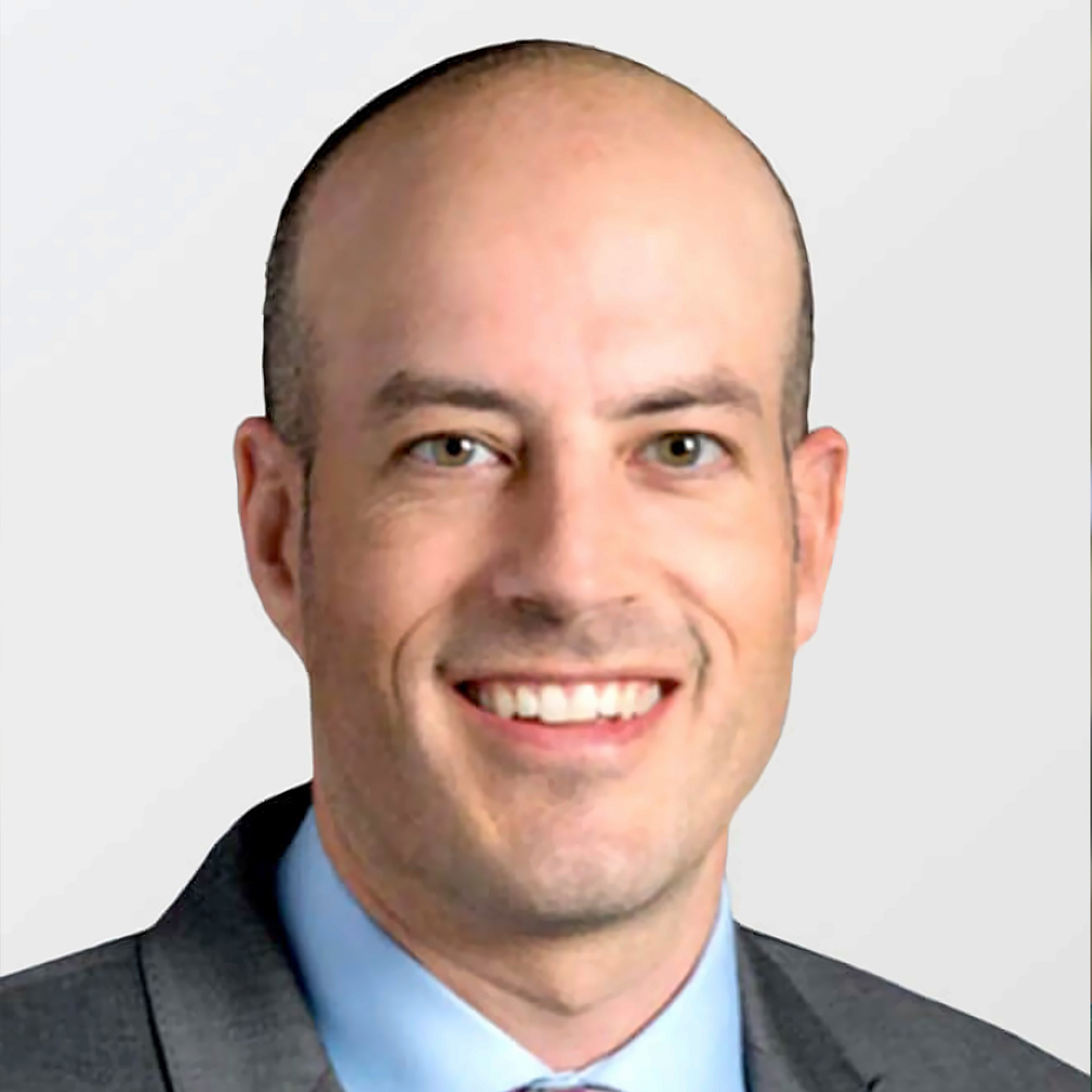 | H. Benjamin Larman | Ben Larman directs the Laboratory of Precision Immunology, which builds technologies for reading the human immune system at scale. He co-founded Infinity Bio in 2023 to commercialize his lab’s MIPSA antibody-profiling platform. | |
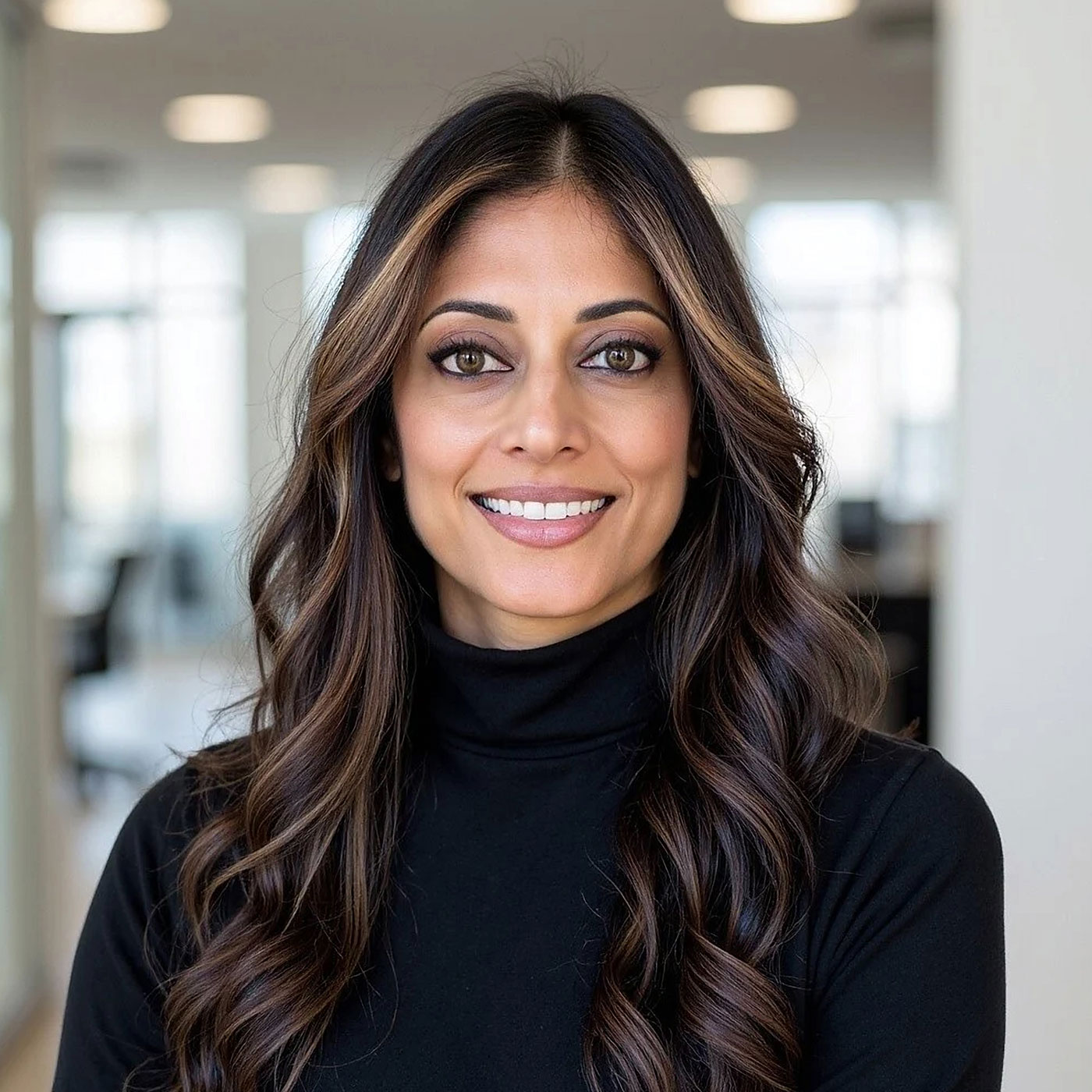 | Sridevi V. Sarma | Sri Sarma directs the Neuromedical Control Systems Lab, applying control theory and computational modeling to epilepsy, Parkinson’s disease, and chronic pain. She founded Neurologic Solutions to commercialize EZTrack, which identifies seizure-generating brain tissue from standard EEG recordings to guide epilepsy surgery. | |
| Panel 3: Security Considerations in Technology Transfer with Attention to Dual Use Technologies | 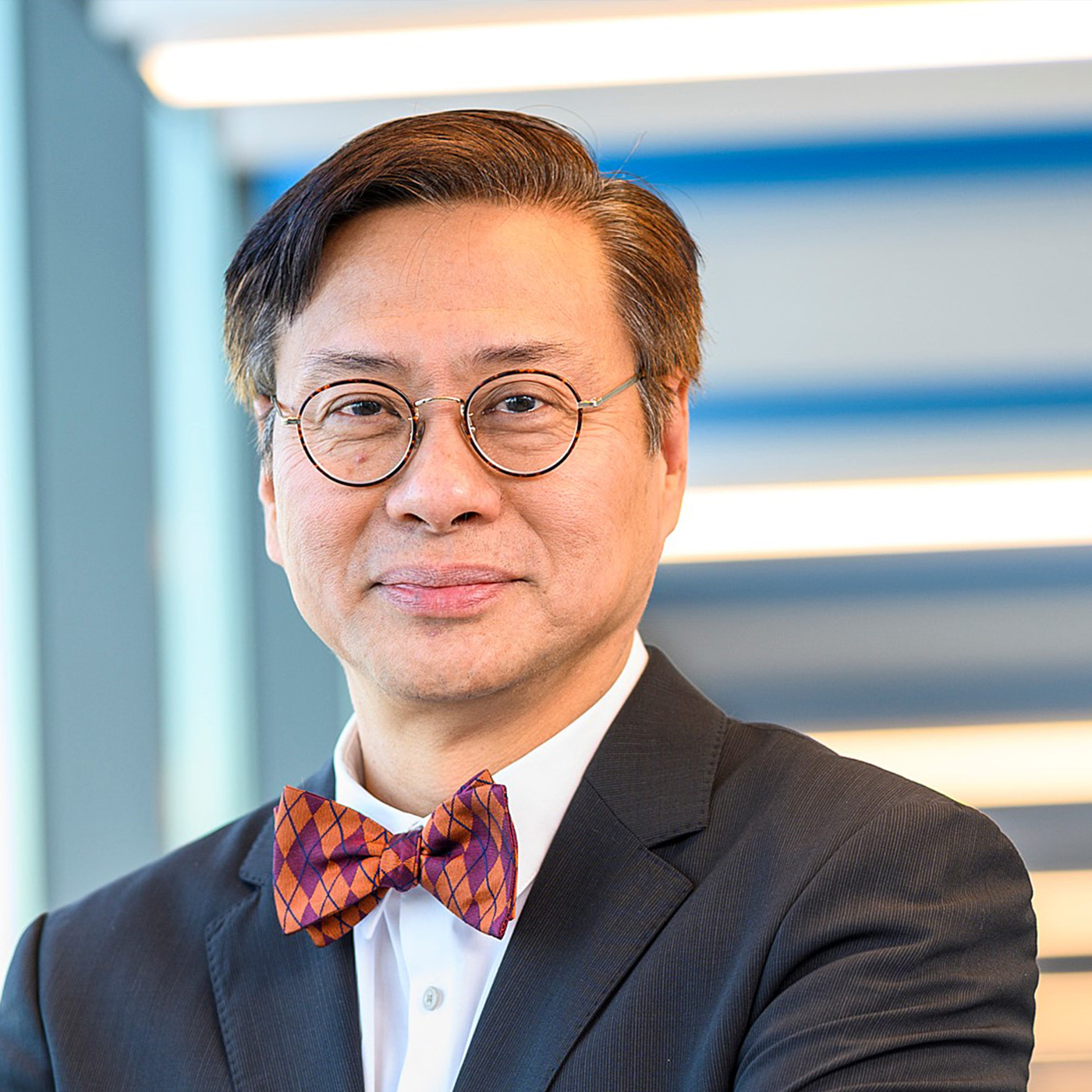 | Phillip Phan MODERATOR | Phillip H. Phan, Ph.D., is the Alonzo and Virginia Decker Professor at Johns Hopkins Carey Business School and School of Medicine. His research bridges strategy, entrepreneurship, and health care innovation, emphasizing AI and aging. He directs multiple Johns Hopkins programs, edits leading journals, and has authored over 200 peer-reviewed articles. |
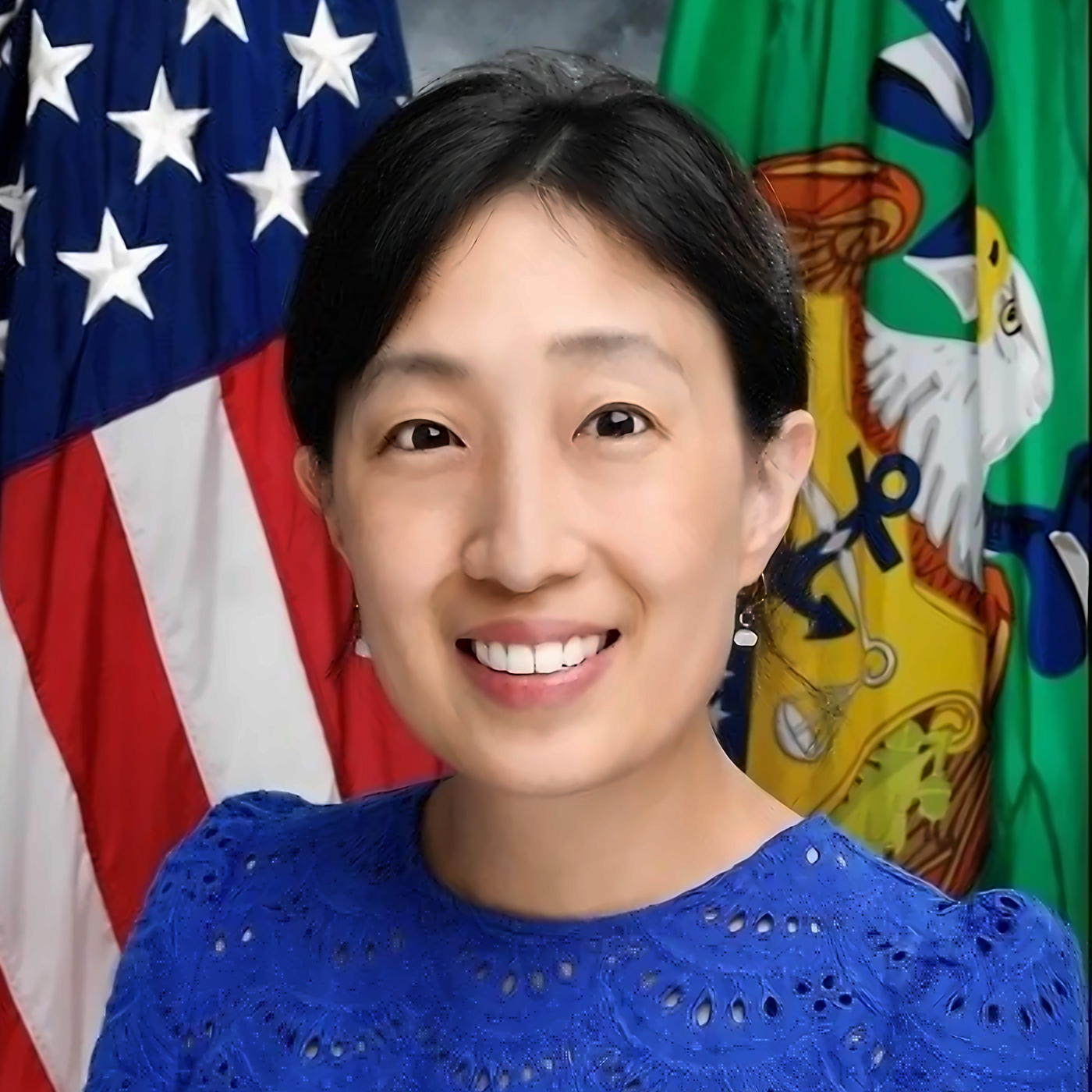 | Winnie Tsang | Winnie Tsang leads Treasury’s Office of Research and Analysis (R&A), a technical team of experts supporting inbound and outbound investment security. R&A manages data analysis, research, and stakeholder engagement. It also directs the Investment Security Technology Initiative (ISTI) to evaluate emerging technologies and anticipate national security risks. | |
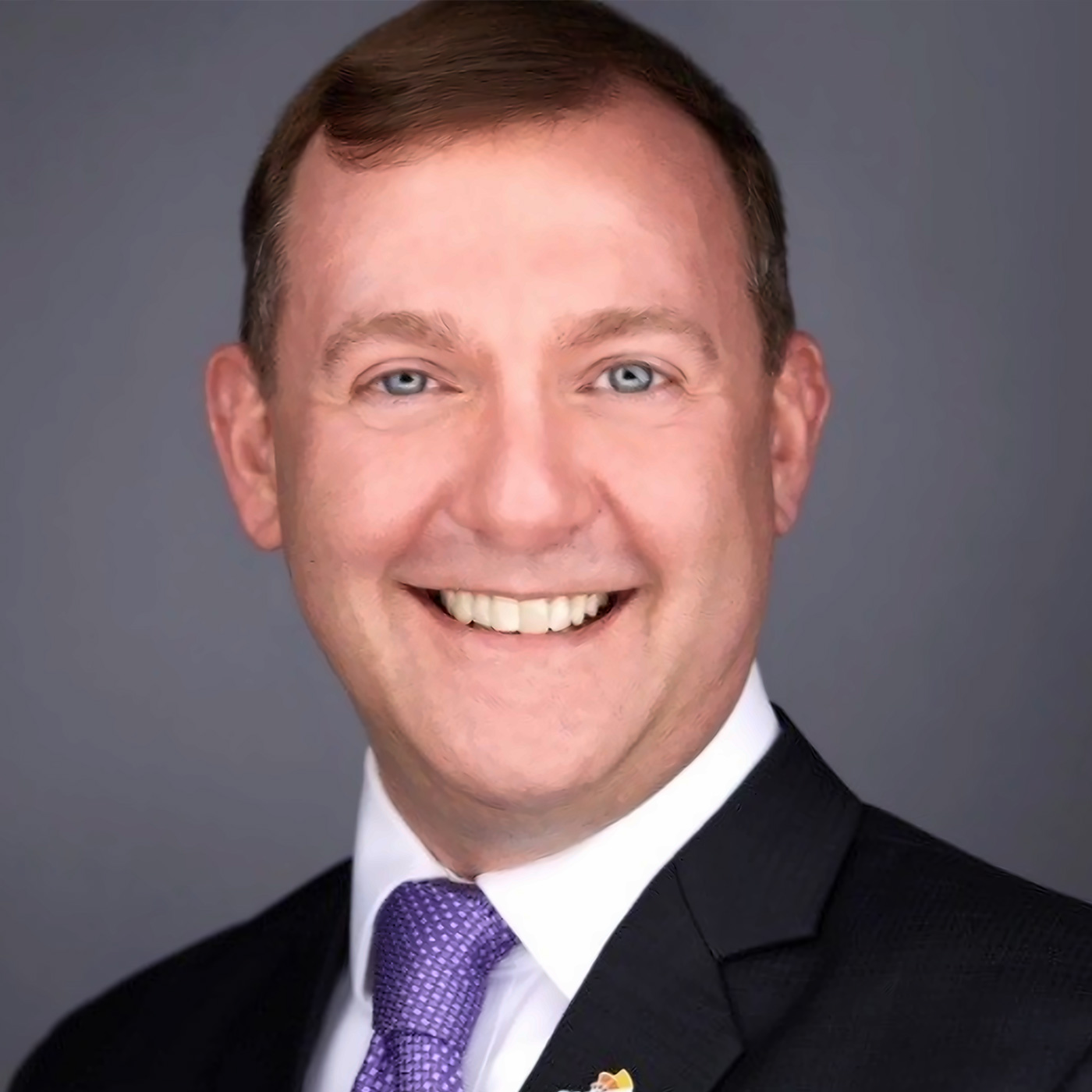 | Stephen J. Susalka | Steve Susalka leads AUTM's strategic planning and advocacy. An international speaker on technology transfer and registered U.S. Patent Agent, he formerly served as associate director for Commercialization at Wake Forest Innovations. He has also guided multiple start-up boards and led the Winston-Salem Technology Council to support local economic growth. | |
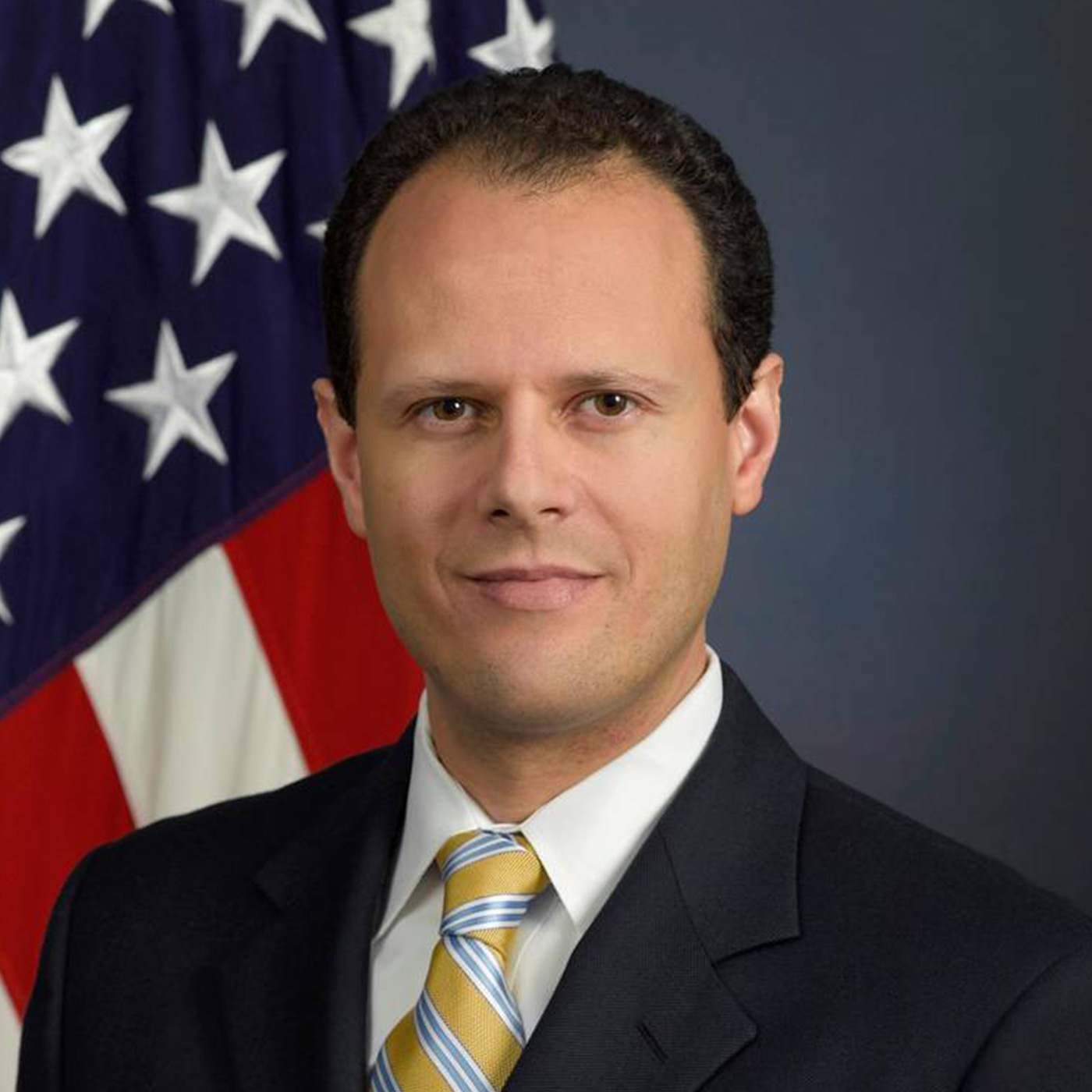 | Paul Luis Oostburg Sanz | Paul L. Oostburg Sanz, educated at Georgetown, Princeton, and Harvard, previously served as general counsel for the House Armed Services Committee—drafting the 2009 Military Commissions Act—and the U.S. Navy. Since 2018, the decorated attorney has been general counsel for the Johns Hopkins Applied Physics Laboratory. | |
| Panel 4: The Future Landscape of Innovation in the US | 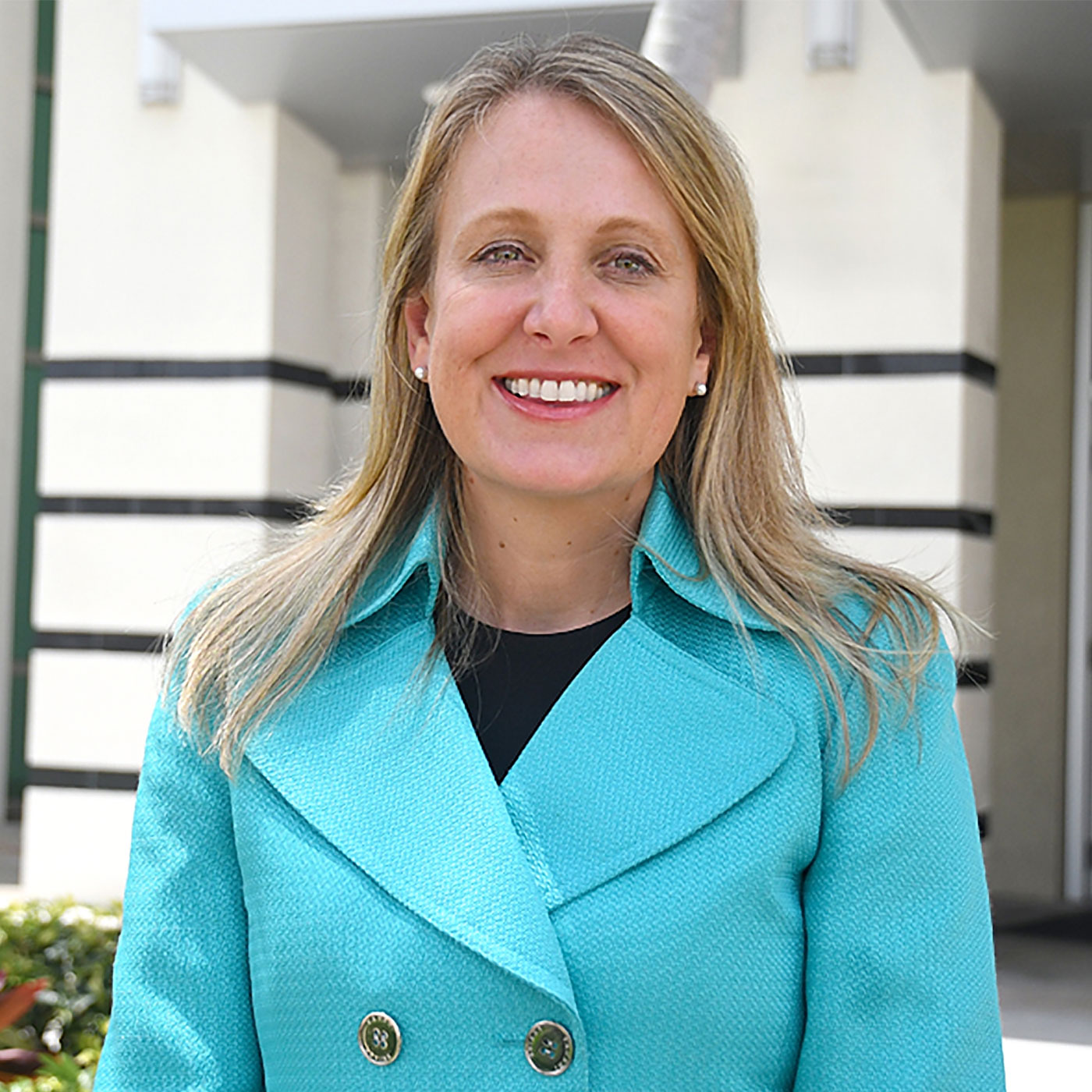 | Siri Terjesen MODERATOR | Siri Terjesen is associate dean and Entrepreneurship professor at Florida Atlantic University. A globally recognized, top 2% cited business scholar with over 25,000 citations, she advises the U.S. Department of Education. An award-winning educator and former management consultant, she is also an international champion ultramarathoner. |
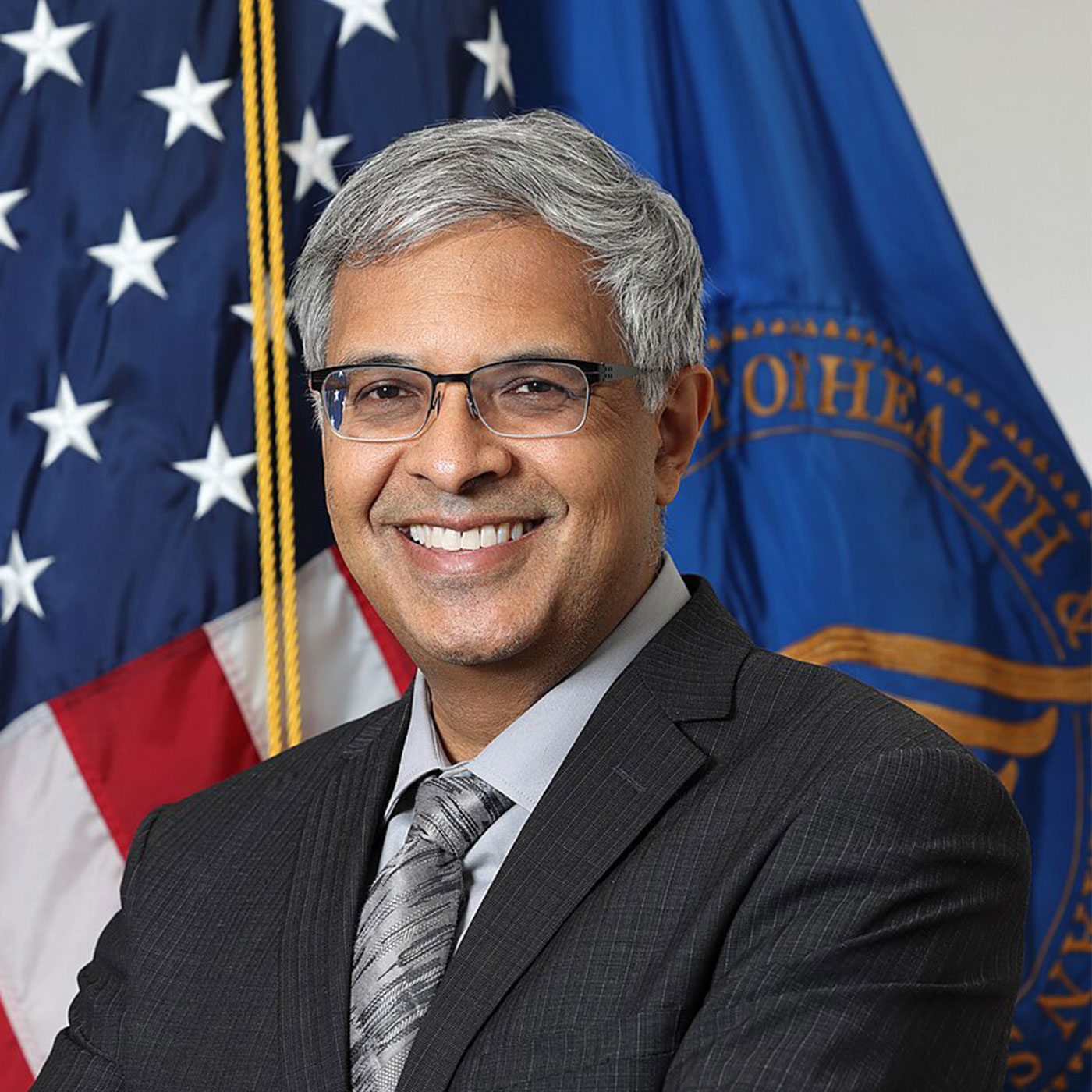 | Jay Bhattacharya | Jay Bhattacharya, the 18th NIH director, is a health economist and tenured Stanford professor holding four Stanford degrees. Author of a leading textbook and over 170 peer-reviewed papers, his research focuses on population aging, chronic disease, vulnerable populations, and public health policy, including the Great Barrington Declaration. | |
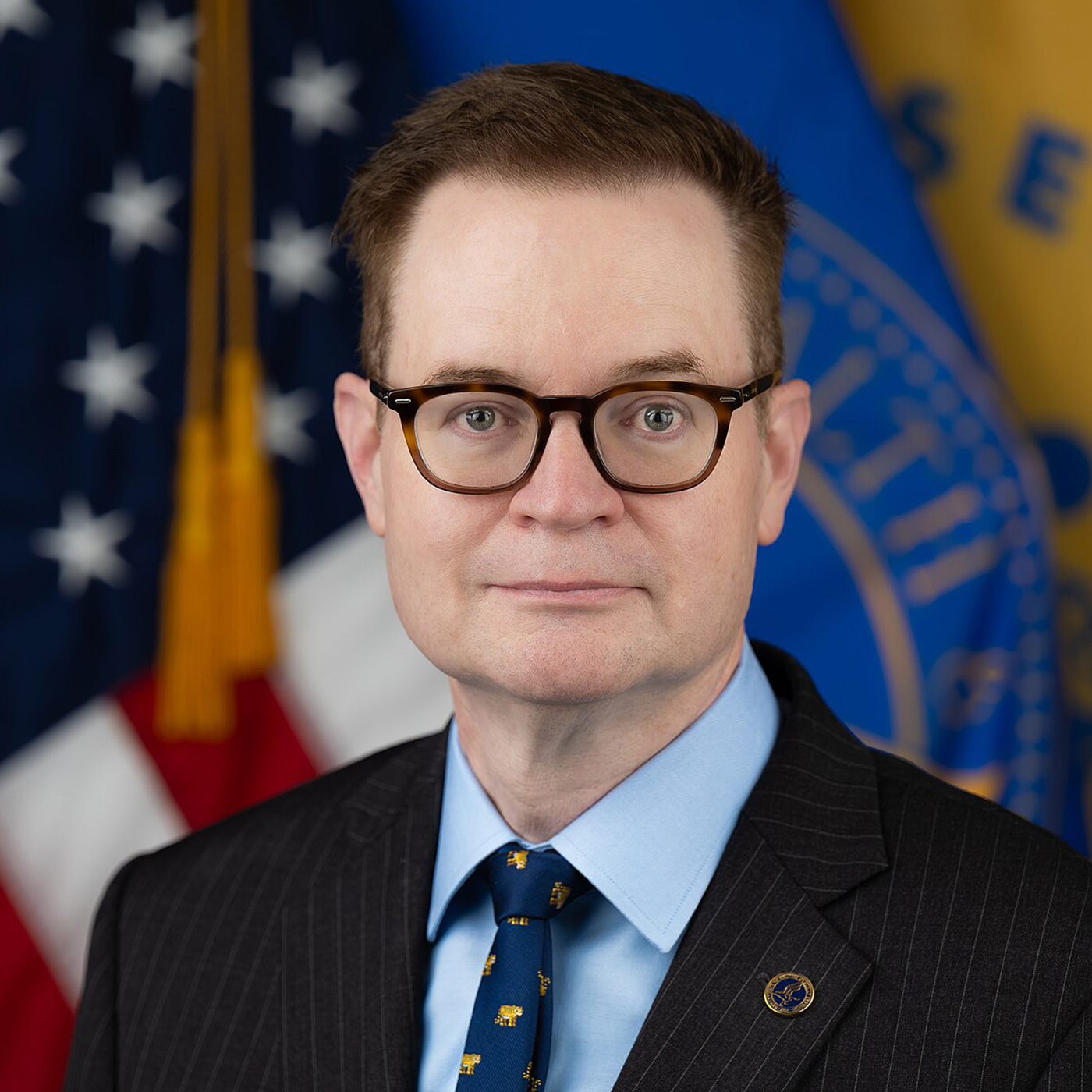 | James O'Neill | Science and technology investor James O'Neill served as U.S. deputy secretary of Health and Human Services and acting CDC director (2025–2026). Previously, he held Bush-era HHS roles and directed Clarium Capital, Mithril Capital, and SENS Research Foundation. In March 2026, he was nominated to lead the National Science Foundation. | |
| Panel 5: From Bench to Business: Lessons from Successful Partnering between Universities and Corporations | 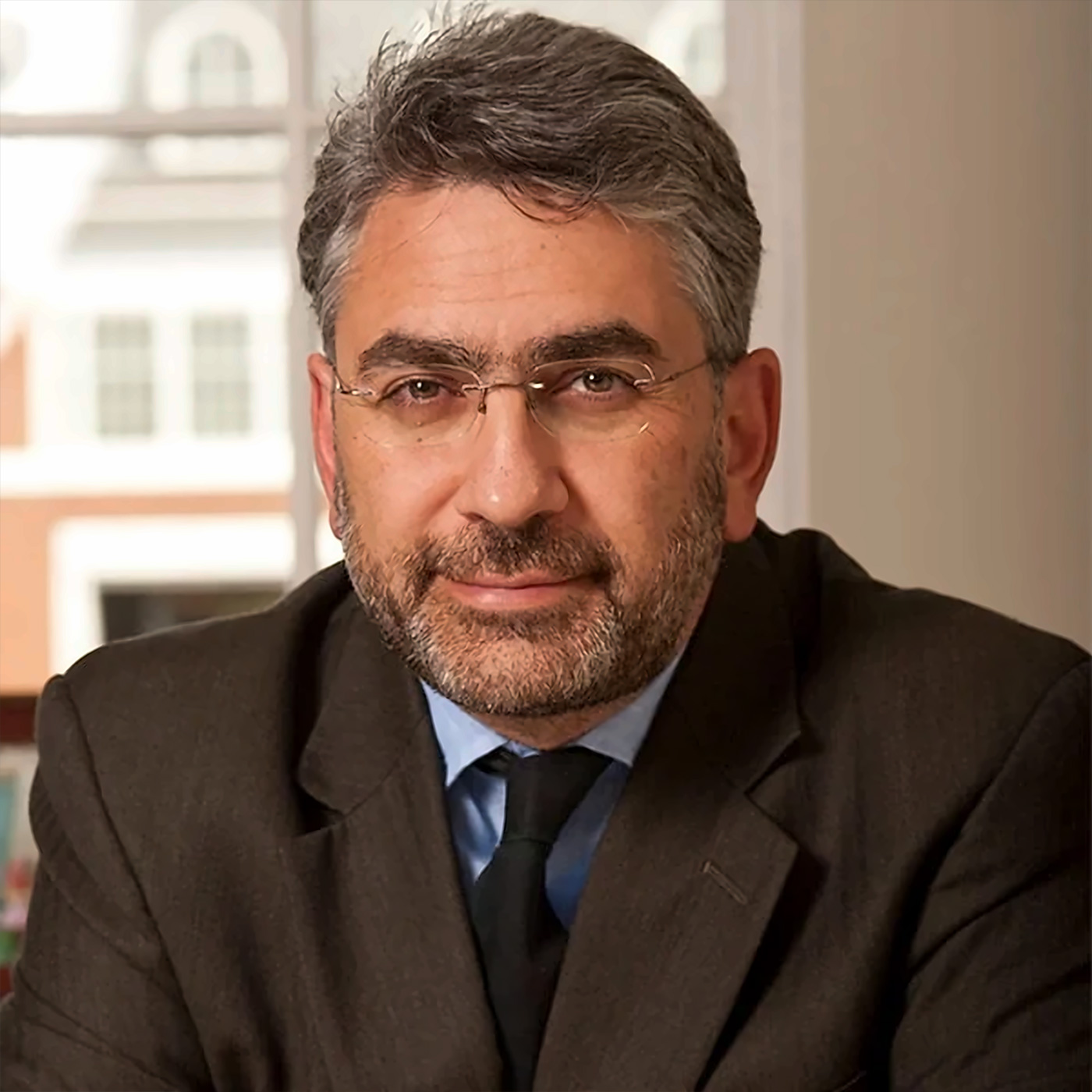 | Youseph Yazdi MODERATOR | Youseph Yazdi leads the Johns Hopkins Center for Bioengineering Innovation & Design (CBID), a center focused on healthcare design. CBID Design Teams work with world-leading experts across Johns Hopkins, including the Schools of Medicine, Engineering, Public Health, and Jhpiego, plus leading medtech companies to design healthcare solutions for both advanced and low-resourced health systems. Yazdi is an assistant professor in the Department of Biomedical Engineering. He has over 30 years of experience in early-stage medical device innovation and design, including seminal patents in ultrasonic elastography, now widely used in breast diagnostic imaging. Prior to JHU, Yazdi was corporate director of Science and Technology at Johnson & Johnson. Youseph earned a BS in Electrical Engineering from Rice, a PhD from UT-Austin, and an MBA from the Wharton School. Yazdi is a fellow of the American Institute for Medical and Biological Engineering (AIMBE), and served on the leadership boards of VentureWell, BME-IDEA, Rice-360, and the Whitaker International Program. Yazdi is a partner at Design Better Health LLC, a consultancy focused on guiding companies, universities, and physicians through the early stages of healthcare innovation. |
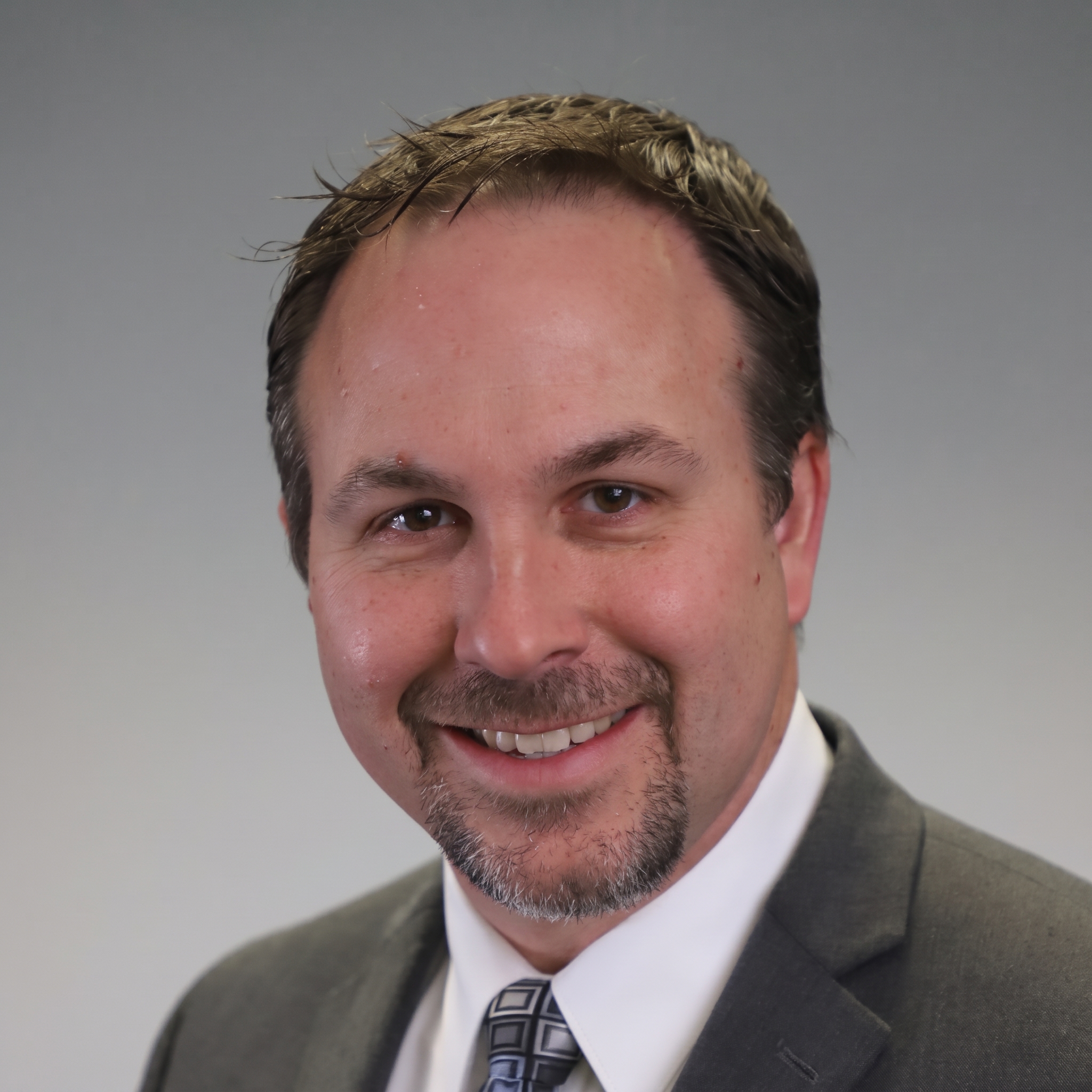 | Wes Gilson | Wes Gilson is a senior director of Scientific Engagement for Siemens Healthineers North America. He explores collaboration opportunities, engages key research customers, and implements joint strategies and projects. Over his 20-year career at Siemens, he has held roles in research and development, collaboration, marketing, and strategy. | |
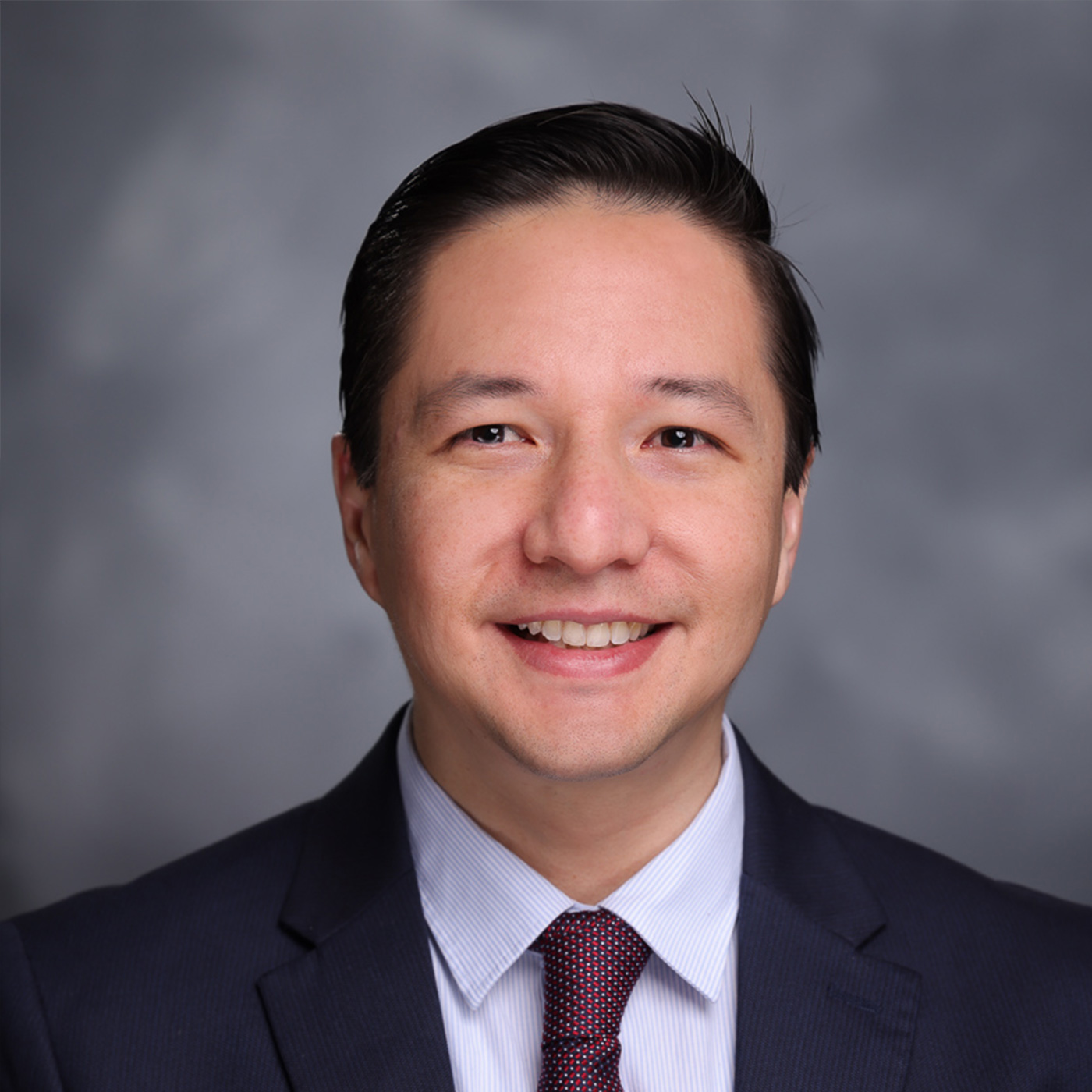 | David Chang | David Chang leads university collaborations and emerging-technology incubation at Samsung Research America. He runs LEAP-U and LEAP-S, connecting Samsung with university and startup innovation. Over 17 years, he has built partnerships and commercialized technologies across the United States and Latin America, including AI, digital health, robotics, gaming, and related sectors. | |
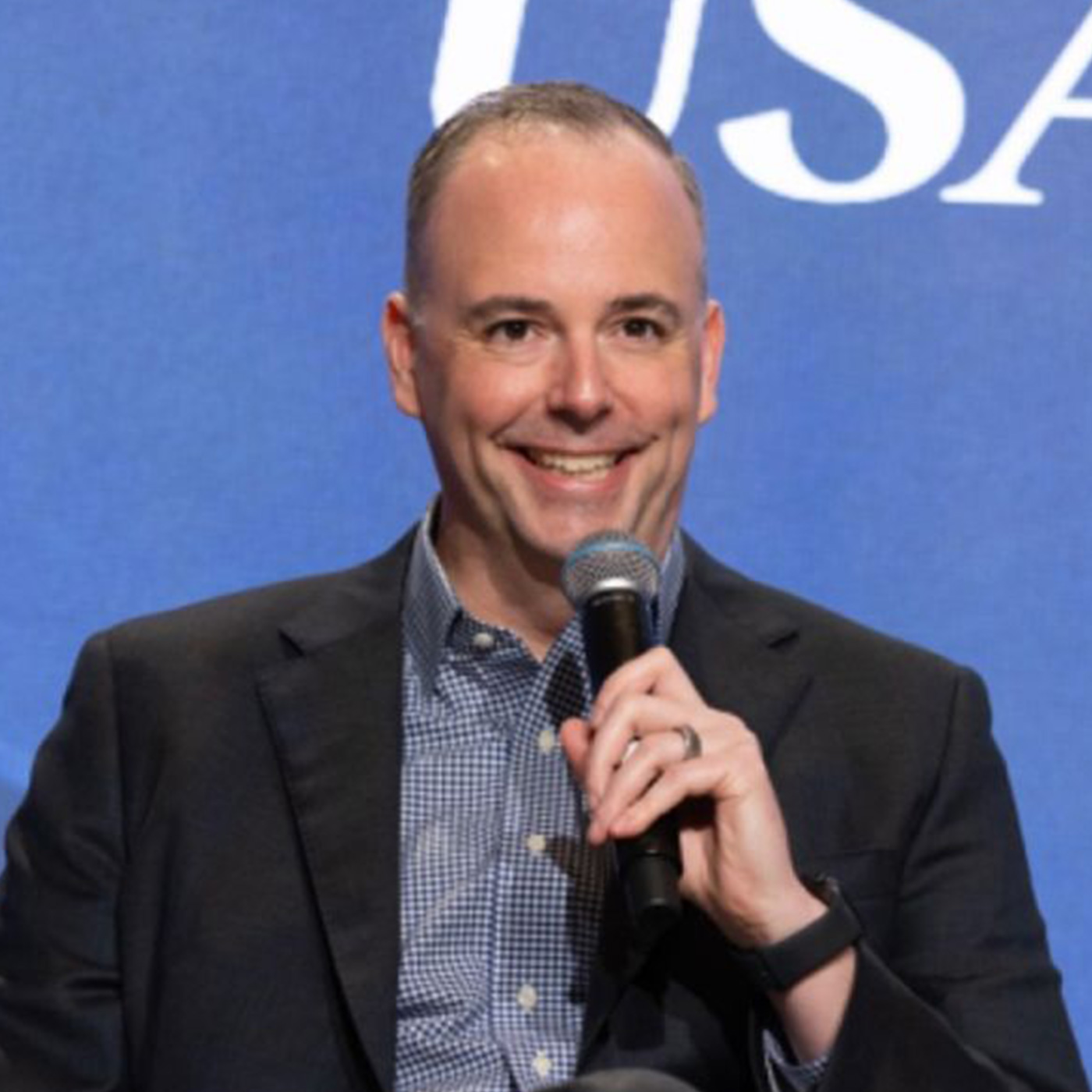 | Kip Roberts | Kip Roberts leads Business Development, Strategy, and Portfolio Management for Medtronic’s $10B Neuroscience portfolio, driving growth through M&A and strategic partnerships. With two decades of healthcare leadership across Eli Lilly and Medtronic, Kip is a seasoned executive and trained coach dedicated to accelerating business results and championing professional talent development. | |
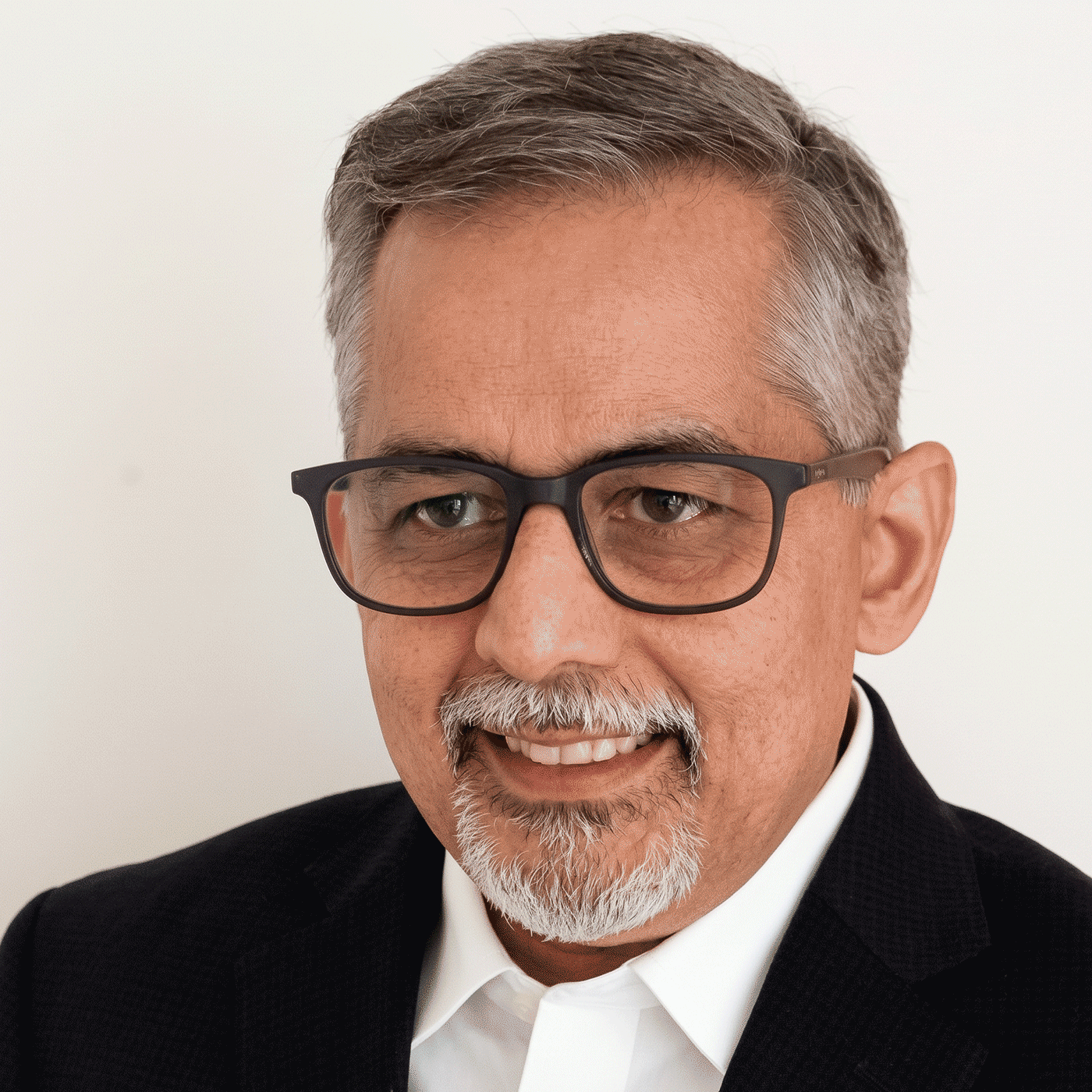 | Shankar Subramanian | Shankar Subramanian, Ph.D., MBA, leads Academic Partnerships within AbbVie’s Global Alliances organization. Across 27+ years in pharmaceuticals, he has led business development, commercialization, and alliances from discovery through launch. He focuses on durable university-industry collaborations, combining scientific rigor, thoughtful deal-making, and effective governance to move innovation toward patients. |

